
Bevel up or down?
Horses for courses!

[ soundtrack : Jefferson Airplane - White Rabbit ]
***
Today I want to saddle up one of my many hobby horses and ride roughshod over the fields of fashion in pursuit of the white rabbit of reason. When I tire of the chase I will canter home and spend the evening contentedly torturing mixed metaphors on the rack of semantic elasticity, before a light supper of savoury sarcasm with disdain for just deserts. Giddyup!
What on earth is he on about now?
Bevel-up planes … why the hell are they marketed as smoothing planes?
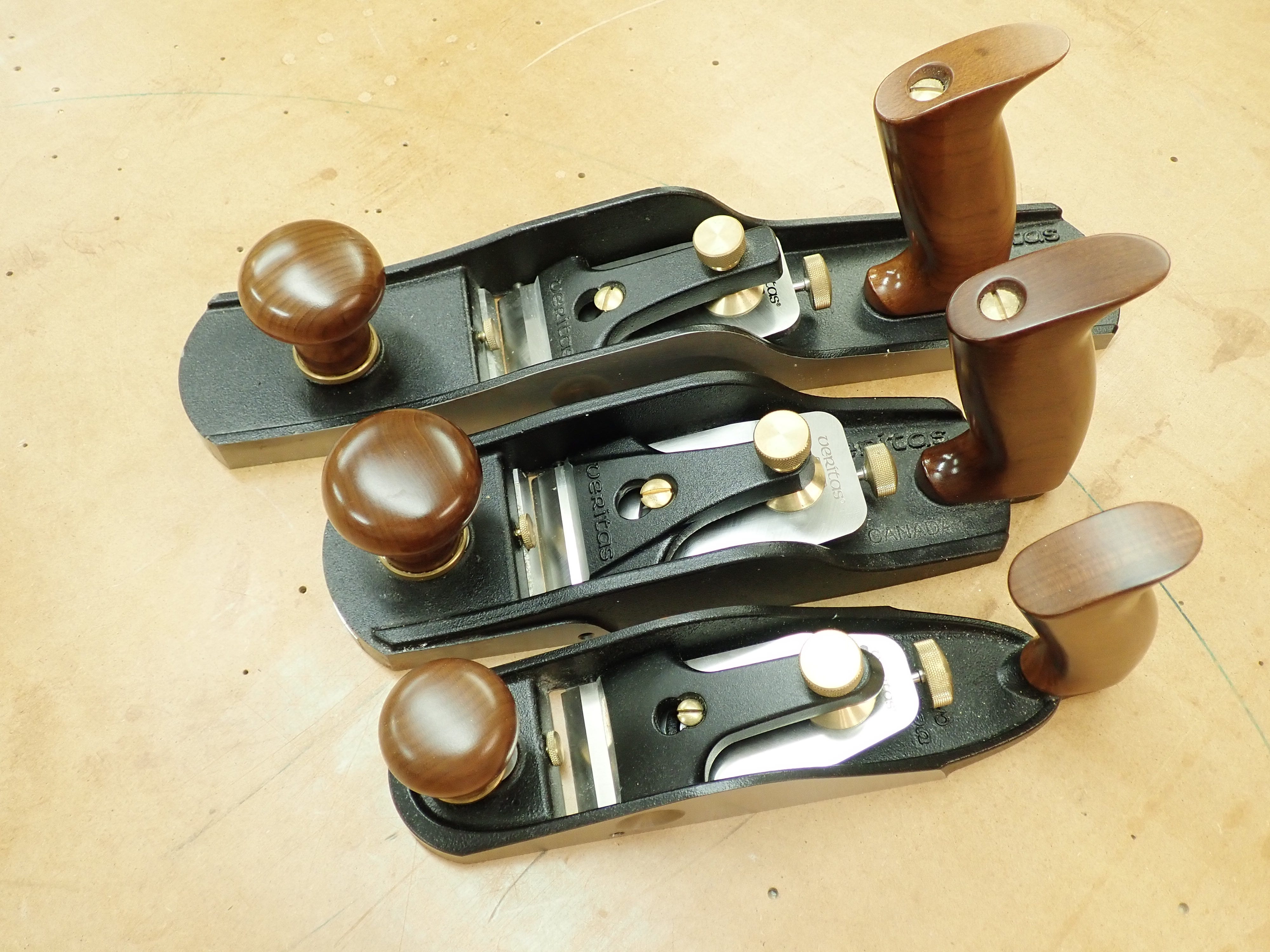
One thing that’s puzzled me this last decade or so is why woodworkers have started using bevel-up planes as bench planes. These used to be two distinctly different kinds of planes optimised for different usage; the (low angle) bevel-up plane presenting its cutting edge at a reduced angle (ca. 12° + 25° = 37°) the better to sever standing fibres when shooting or otherwise planing endgrain — a speciality plane tailored to a certain subset of woodworking operations; often called a block plane (Norw. ‘støthøvel’).
The traditional, bevel-down bench planes with their irons seated at 45° on the frog (Why not call it ‘the chair’ — what’s frogs got to do with anything?) is a good all-round compromise-geometry for most long-grain work; It will even shoot endgrain well, if keen.
A bevel-up plane is an inferior smoother. Especially if you work mostly in softwoods, like I do; the long wood-fibres tear out much too readily at these low cutting angles. Yes, it will suffice so long as your edge is newly honed and you take fine shavings off of a compliant piece of wood. Ah! But you can easily increase the angle of the secondary bevel and get a higher cutting angle that way! True, and a valid argument — also the ubiquitous unique selling point — the gimmick. Still, you don’t have a chipbreaker (there’s a reason it’s called that) to further force the shaving upwards, helping to break the back of the wood fibres and stopping them ‘telegraphing’ the cutting split forwards. But, yeah … you can get a really steep cutting angle on your bevel-up plane by putting a bluff secondary bevel on your iron.
In this way you can reconfigure a plane simply by changing the iron to one that’s ground differently, be it another cutting angle or camber profile. This is a nice feature if you’re a beginner and don’t want to buy several different planes.
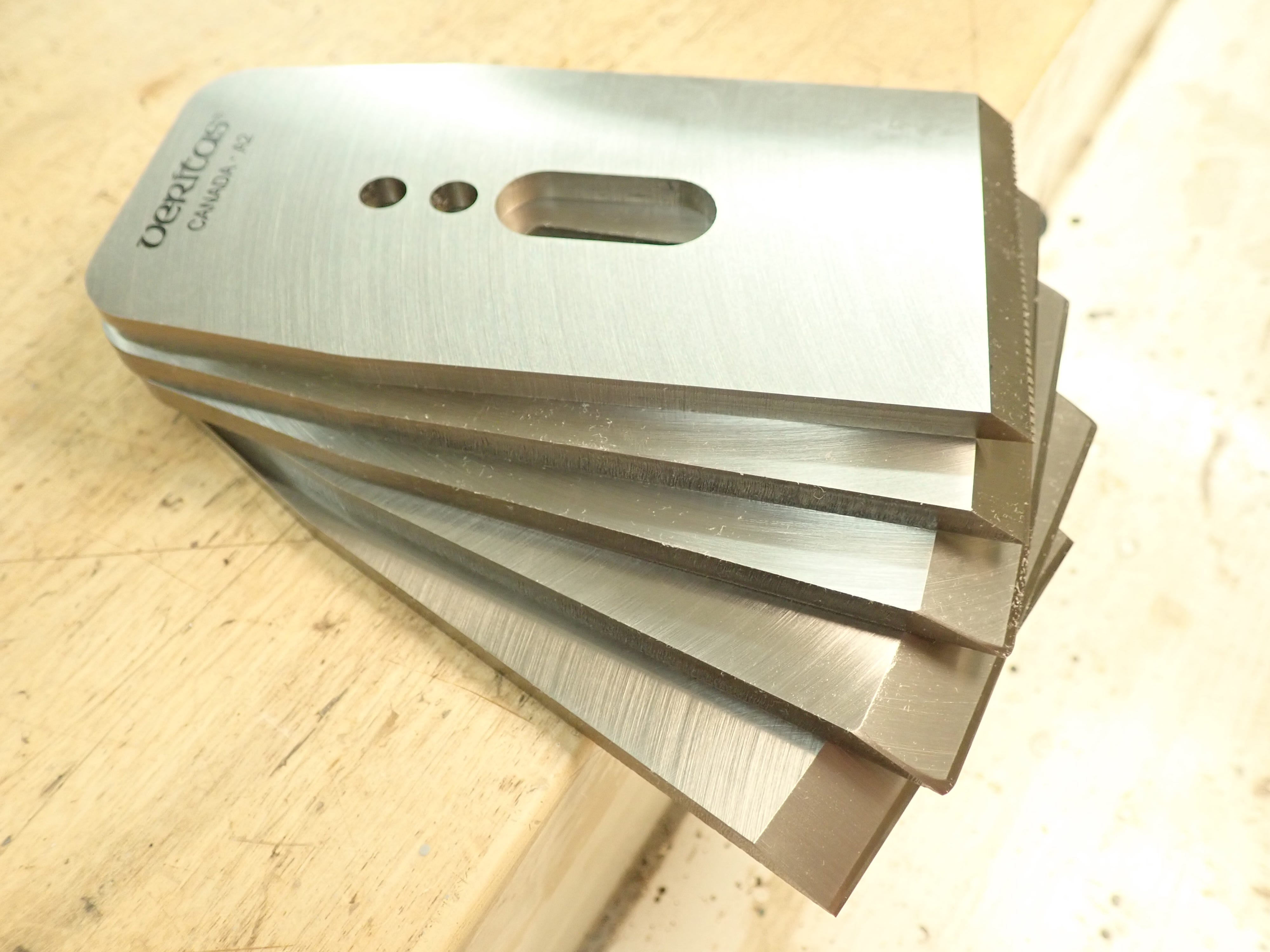
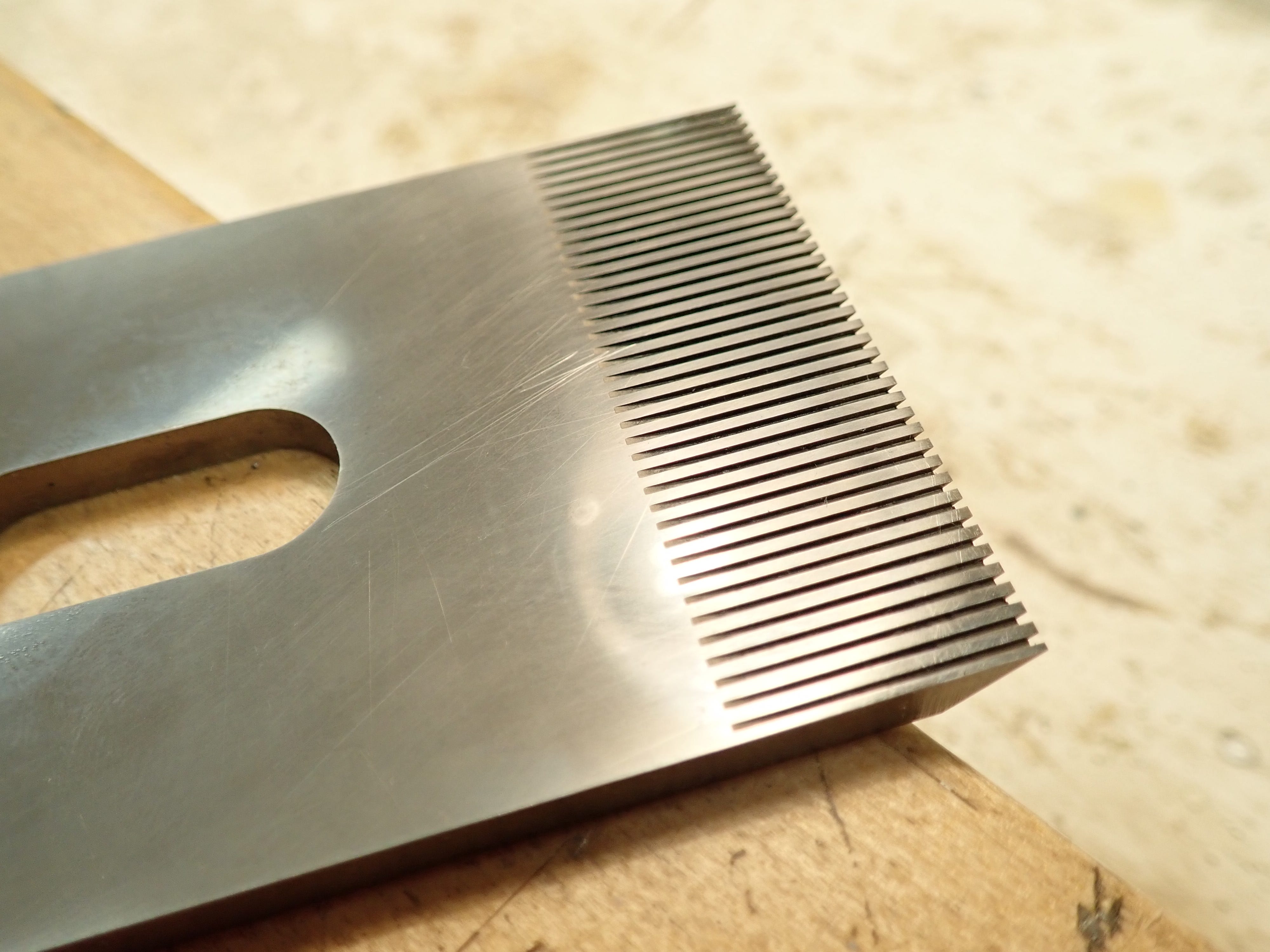
You can also buy them with a steeper factory-ground bevel, and even with a toothed edge for those most ornery woods.
Then, there’s the question of the lower (back) wear-bevel. This is quite an arcane topic, so I won’t go into detail, but in short: The low clearance-angle on a bevel-up plane results in the lower wear-bevel offering greater resistance sooner to being pressed down into the cut than a steeper geometry would. This will make your plane feel dull and hard to work with; you’ll have to work harder to force it down into the cut, and it will want to porpoise (judder along) sooner. If you want to delve into this particular rabbit hole I can do no better than direct you to the clever folks at HNT Gordon & Co. in Australia, who’ve made a video about this very topic in two parts: here 1 & here 2. The difficult Australian veryhardwoods forces the planemakers to understand what’s going on at the cutting edge. Another good source for sharpening esoterica is Brent Beach’s site. The learnings, they never end :-)
In my verksted, the bevel-up planes are speciality planes best optimised for endgrain work. Standard, bevel-down benchplanes are a good allround option for most long-grain work. High-angle planes are for difficult woods and scraper planes (or cabinet scrapers and card scrapers) are for really difficult customers. See the geometric progression at work here?
Still, the question remains; Why are bevel-up planes marketed as smoothing planes? Have a look at these two stripped down plane bodies:
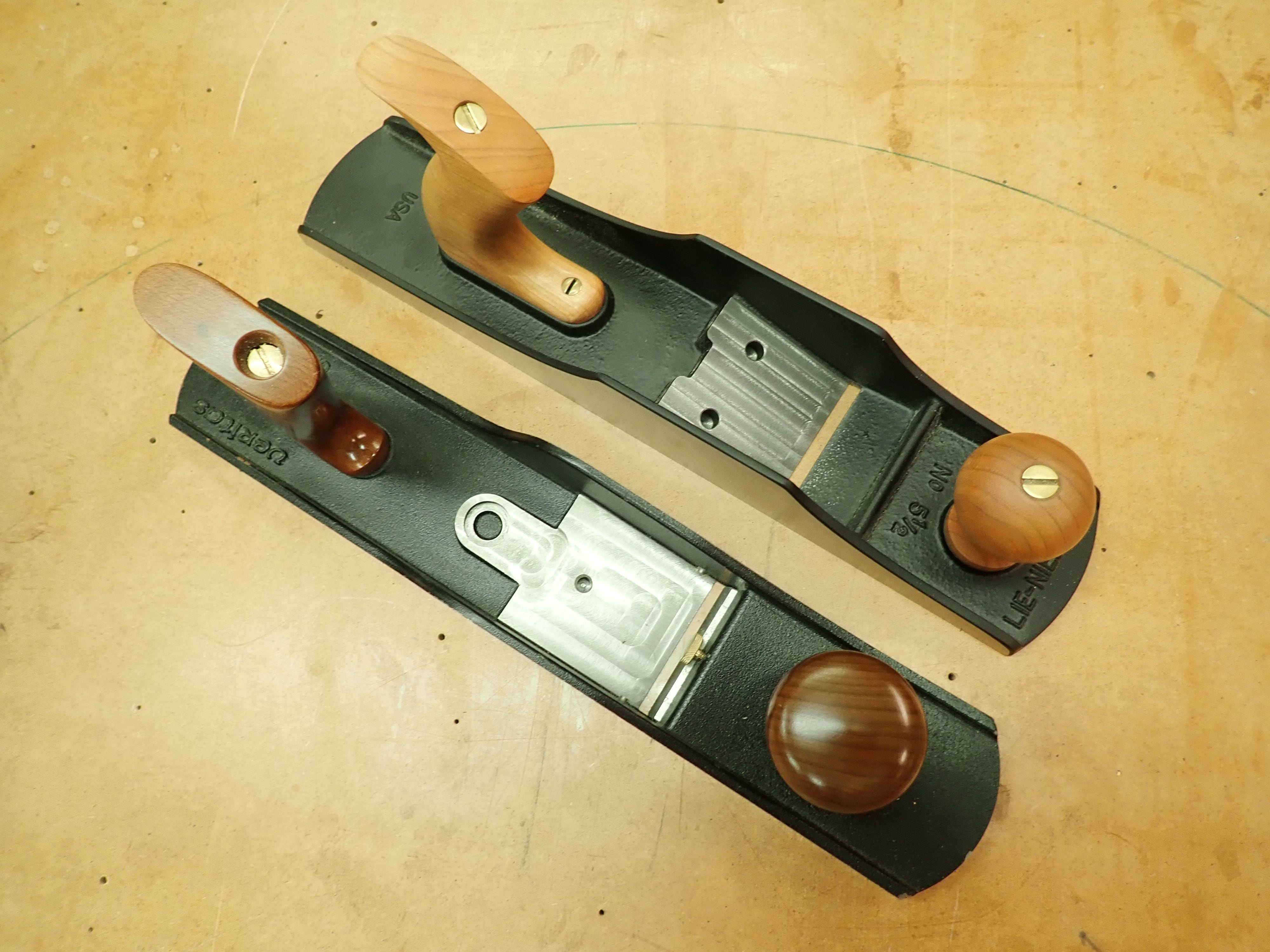
Quite similar, no?
One is a low-angle bevel-up plane, the other is a standard bevel-down bench plane.
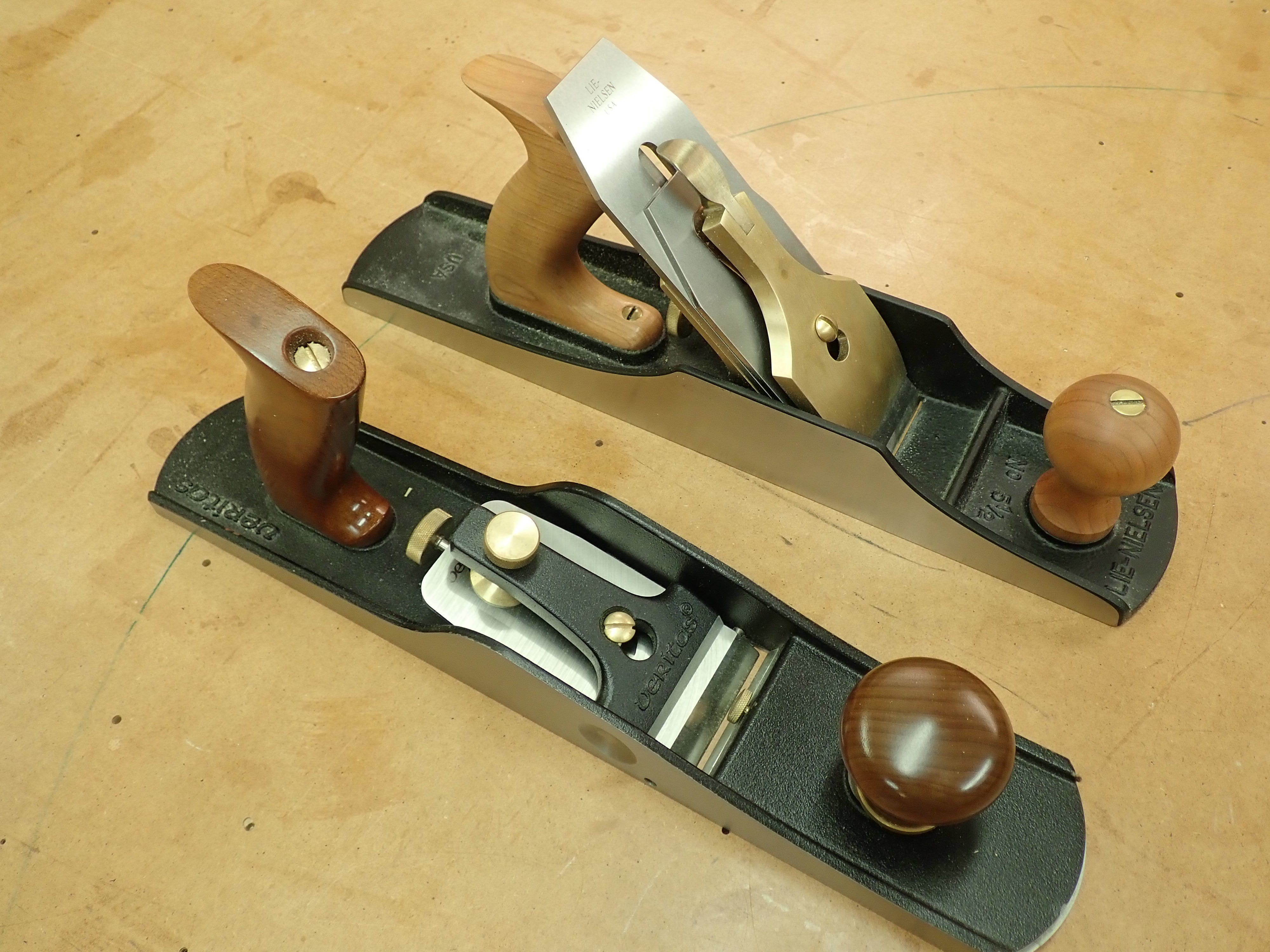
The difference lies not so much in the plane body (although the bevel-up one has a sliding ‘forefoot’ so you can adjust the mouth opening), but rather in the rest of the parts that make up a complete plane:
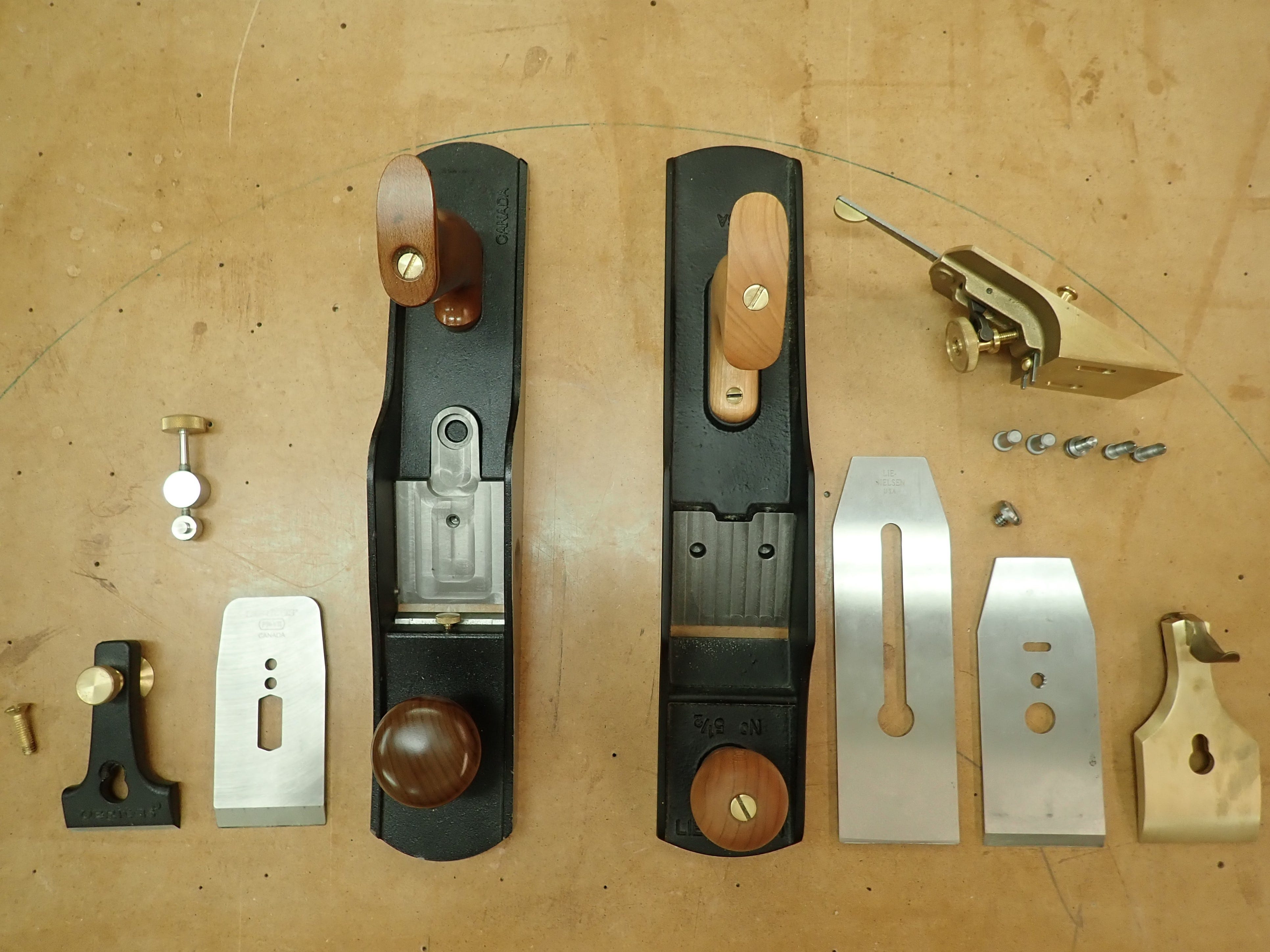
The frog (chair!) itself is made up of 14 separate parts + 5 screws/pins that all have to be made to quite fine tolerances:
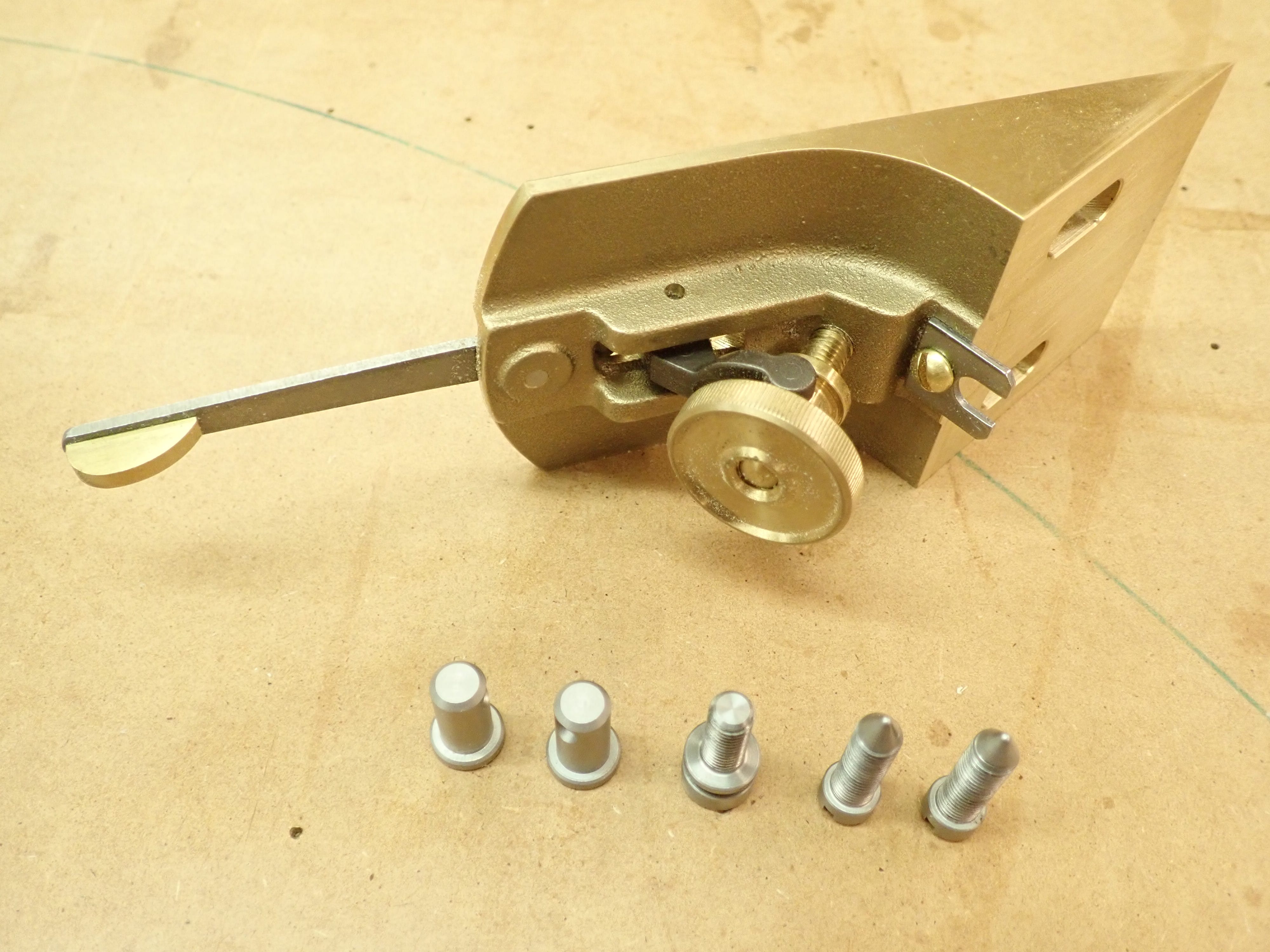
This represents a significant cost for the manufacturers in materials, machining and assembly, compared to the much simpler bevel-up plane.
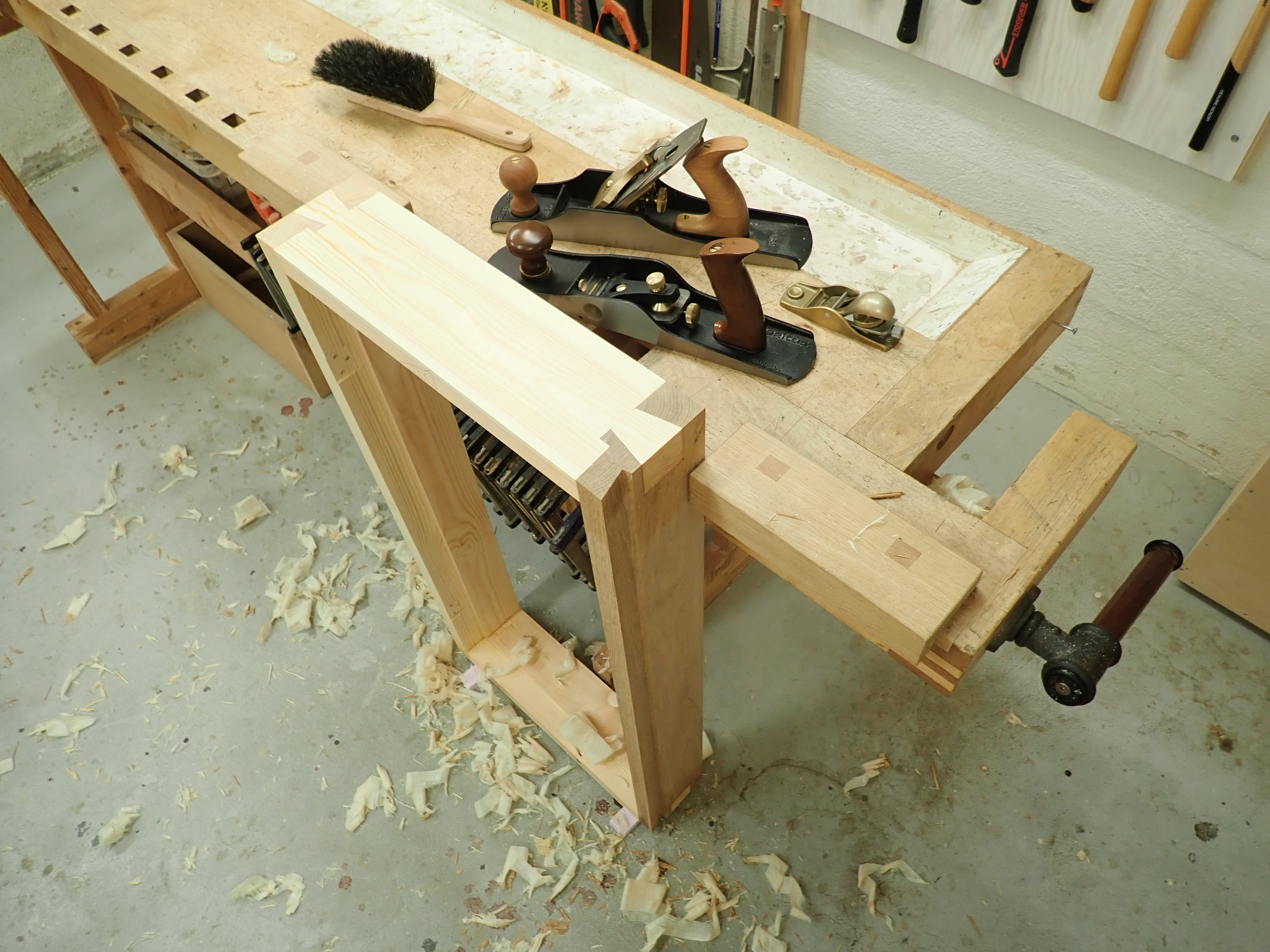
The bevel-up planes are a fair bit cheaper than their similarly sized bevel-down brethren ($295 versus $385), but I wonder if the savings in materials and manufacturing costs make for a higher profit margin anyway?
During his travels, Swift’s Gulliver encountered the Lilliputians, a people who put great emphasis on trivial matters. For example, which end of a boiled egg a person cracks became the basis of a deep political rift, dividing that nation between the Big-Endians (who broke their eggs at the larger end) and Little-Endians (who favoured the small). This gave rise to "six rebellions ... wherein one Emperor lost his life, and another his crown". They were a people who revelled in displays of authority and performances of power.
Not in my workshop, if you please.
***
I read once(and promptly forgot the reference) that L. Bailey or an associate called it a “frog” after the shape in the sole of a horse’s foot, which is called the “frog” in English. In the 19th century folks would have been as accustomed to terms for parts of a horse as we are for parts of cars.
I've been using a drawknife a lot lately to shave and shape limbs and into crude legs (trees not humans). The bevel up/down thing is a big deal, but here's the weird thing. I find the exact opposite to what most people tell me. Everyone bangs on about how bevel up gives more control, but I find that bevel down allows me to be very, very accurate - near enough to spokeshave levels of control. I suspect it is the geometry of the handles that determines which way the bevel suits crude work vs accurate work. I've been using a Ray Iles knive (https://www.woodsmith.co.uk/product/ray-iles-large-drawknife-459).
In tech world the bevel up / bevel down rift also exists in the form of "tabs vs spaces" and "emacs vs vim". I don't get involved, I let the neckbeards have their little slapping match.